

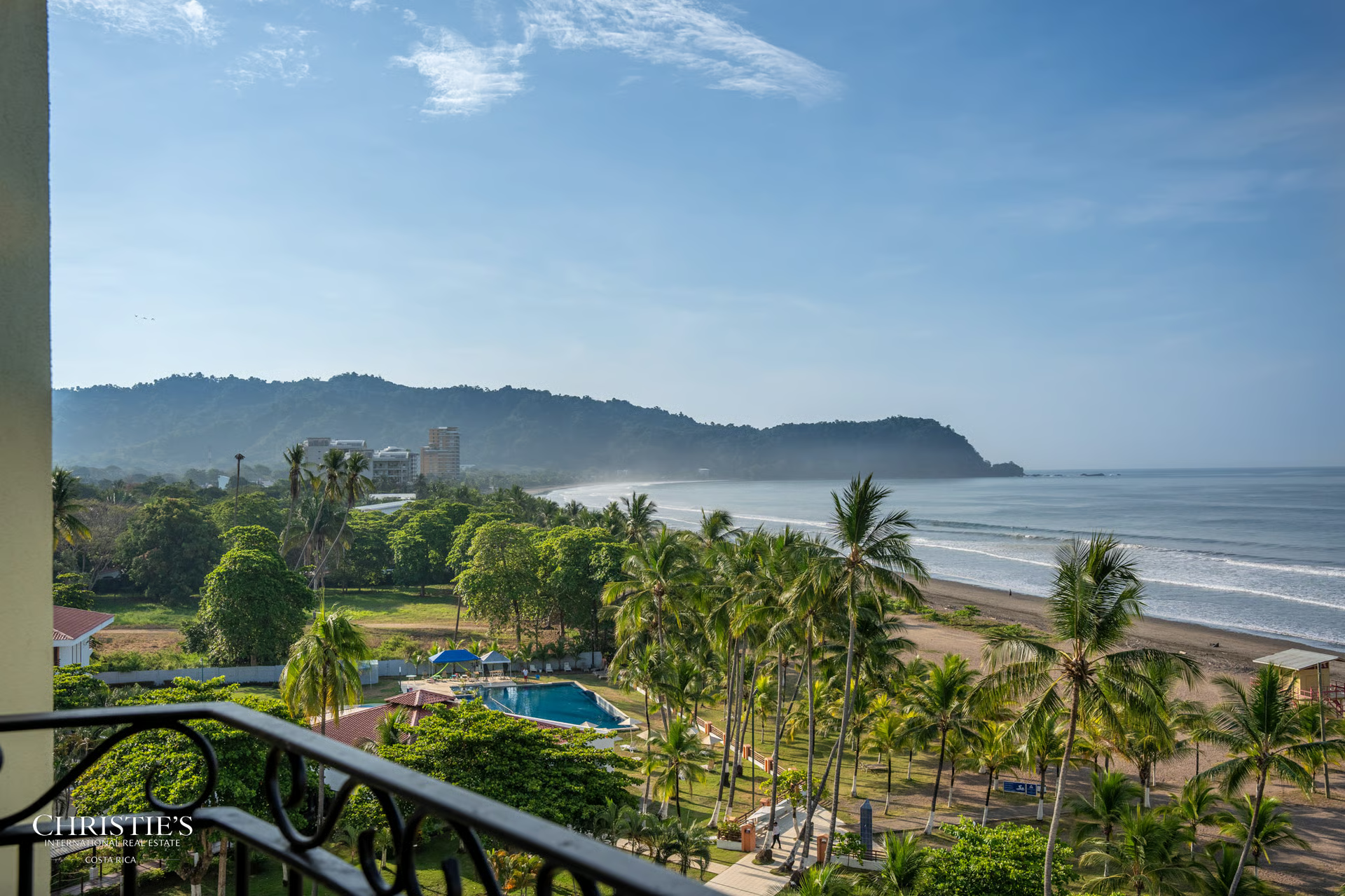
Costa Rica has become one of the most attractive destinations for international investors, retirees, and vacation home buyers. Known for its stunning beaches, vibrant expat communities, and stable democracy, the country continues to experience strong demand for real estate. Whether you’re looking to buy a home in Costa Rica or planning to sell property in a beach town, understanding the process is key to making the right decision.
This guide will walk you through everything you need to know about buying and selling real estate in Costa Rica.
Why Invest in Costa Rican Real Estate?
- Stable Market: Costa Rica has a long tradition of political stability and a strong legal framework for property ownership.
- Expat-Friendly: Foreigners have the same property rights as locals (with very few exceptions, such as maritime zone restrictions).
- High Rental Demand: Beachfront and vacation rentals in areas like Jaco, Tamarindo, and Nosara offer excellent income potential.
- Lifestyle Benefits: A warm climate, rich biodiversity, and welcoming communities make Costa Rica ideal for relocation or retirement.
Buying Real Estate in Costa Rica
Step 1: Choose the Right Location
Costa Rica offers diverse regions to suit different lifestyles:
- Central Pacific (Jaco, Herradura, Playa Hermosa) – Active surf towns and great rental markets.
- Guanacaste (Tamarindo, Flamingo, Playas del Coco) – Vibrant expat hubs with luxury beachfront homes.
- Southern Zone (Dominical, Uvita, Ojochal) – Lush landscapes, eco-living, and ocean-view properties.
- Central Valley (San José, Escazú, Atenas) – Urban living, cooler climates, and modern amenities.
Step 2: Work with a Professional Real Estate Agent
A trusted agent helps you find properties, negotiate prices, and avoid common pitfalls. Look for professionals with experience, references, and affiliations with organizations like CRGAR or NAR.
Step 3: Legal Due Diligence
Every property transaction requires thorough checks:
- Verify the title with the National Registry.
- Ensure zoning and land-use regulations are clear.
- Check for liens, debts, or restrictions on the property.
- Hire a reputable real estate attorney to handle contracts.
Step 4: Make an Offer and Sign a Sales Agreement
Once you’ve chosen a property, your lawyer will draft a purchase and sale agreement outlining price, payment terms, and conditions.
Step 5: Closing the Deal
At closing, the property is officially transferred via a notary public, and your ownership is registered. Buyers usually pay closing costs, which range from 3% to 5% (4.5% approx.) of the property’s value. This amount includes the notary fee, lawyer’s fee, registration fees, and taxes associated with the National Registry.
Selling Real Estate in Costa Rica
If you own property and are considering selling, preparation and strategy are essential to maximize returns.
Step 1: Set a Competitive Price
A local real estate agent can provide a market analysis to help you price your property correctly. Overpricing can cause delays, while competitive pricing attracts more buyers.
Step 2: Market Your Property Effectively
Professional marketing is key. This includes:
- High-quality photos and drone footage.
- Listings on international and local real estate portals.
- Social media campaigns targeting foreign buyers.
- Open houses and private showings.
Step 3: Negotiating with Buyers
Buyers in Costa Rica—especially international ones—tend to negotiate. A skilled agent will represent your best interests and work toward a fair agreement.
Step 4: Closing the Sale
Once both parties agree, the sale proceeds to the closing stage, handled by an attorney. The buyer usually covers closing costs, but terms can be negotiated.
Taxes and Costs to Consider
Whether buying or selling, you should be aware of the additional costs involved:
- Transfer Taxes: Approximately 1.5% of the purchase price.
- Legal Fees: Around 1% to 2% of the property value.
- Capital Gains Tax: 15% on profits (applies to properties bought after July 1, 2019, with some exceptions).
- Ongoing Costs: Annual property tax (0.25% of registered value) and luxury tax (if applicable).
Common Pitfalls to Avoid
- Not verifying property titles or relying on verbal agreements.
- Buying land in restricted zones (such as the first 50 meters of maritime land, which is public property).
- Skipping professional guidance to save money, which often leads to costly mistakes.
- Overlooking maintenance and infrastructure, especially in remote areas.
Final Thoughts
Whether you’re dreaming of a beachfront villa, a mountain-view home, or selling your current investment, Costa Rica offers incredible opportunities in real estate. However, navigating the buying and selling process requires professional guidance, market knowledge, and careful legal due diligence.
At Beach Real Estate Costa Rica, we connect buyers and sellers with expert agents who know the market, understand the law, and have a proven record of successful transactions. Whether you’re ready to invest or cash out, we’re here to help you every step of the way.
